
PoliRuralPlus and the Irish Regional Action Plan
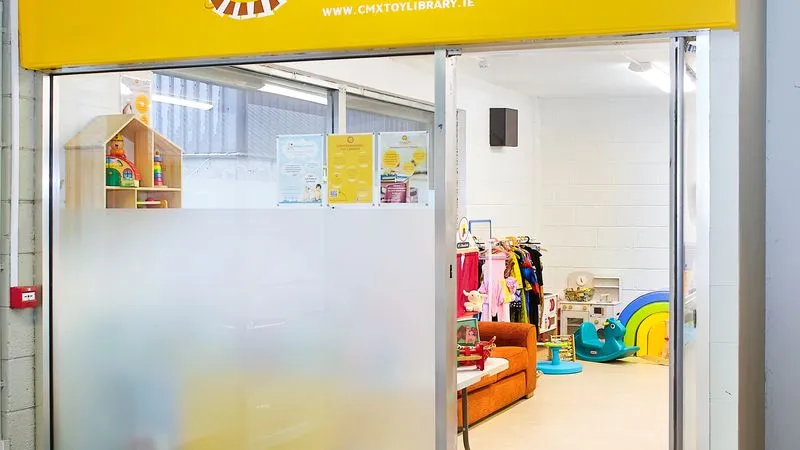
The PoliRuralPlus project supports sustainable regional development by strengthening rural–urban linkages and identifying opportunities for regional innovation. In County Monaghan, the Irish pilot focuses on advancing the circular economy through entrepreneurship and innovation in environmental products and services. The Regional Action Plan (RAP) aims to support this transition by promoting resource efficiency, waste reduction and collaboration among local stakeholders. Carrickmacross Toy Library is a practical example of community-led circularity that contributes to these ambitions through toy lending, reuse, sharing and environmental awareness. Its experience demonstrates how an established local initiative can support the wider objectives of the Irish pilot and inform the development of a more connected circular economy in County Monaghan.
Introduction & Background
Carrickmacross Toy Library, established in September 2020, is Ireland’s first standalone community toy library and a pioneering example of circular economy innovation at the local level. Initially operating as a small “click and collect” service from a cupboard in the Carrickmacross Workhouse, the initiative has grown into a significant community resource now based in the Carrickmacross Shopping Centre on Main Street. It also serves as the headquarters of the national Toy Libraries Ireland movement, playing a key role in promoting and scaling this model across the country. Today, the library supports over 300 registered families across South Monaghan and neighbouring counties, including Louth, Cavan, and Meath, demonstrating its wider regional reach and contribution to rural–urban connectivity.
Objectives
The primary mission of the Carrickmacross Toy Library is to provide families and schools with access to high-quality, educational, and sustainably sourced play resources. Its objectives are closely aligned with Irish Regional Action Plan priorities, particularly in advancing circular economy practices, social inclusion, and rural attractiveness. The initiative aims to reduce waste associated with the highly plastic-intensive toy industry by promoting reuse and shared consumption models. At the same time, it seeks to improve equitable access to play by ensuring affordability for all families, regardless of income. A further objective is to strengthen community connection by providing a social support network for caregivers and fostering inclusive, cross-community engagement.
Core Functions & Services
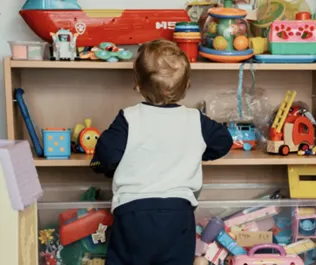
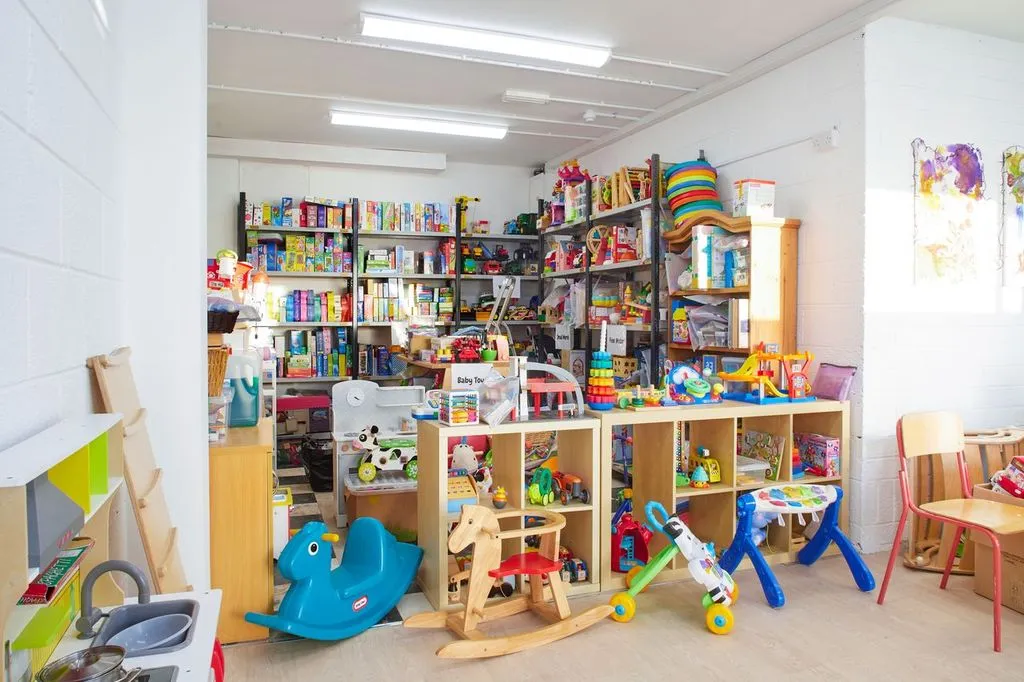
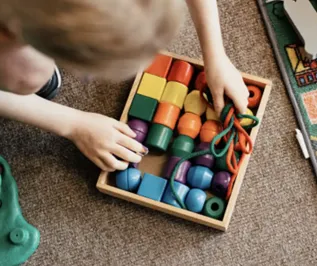
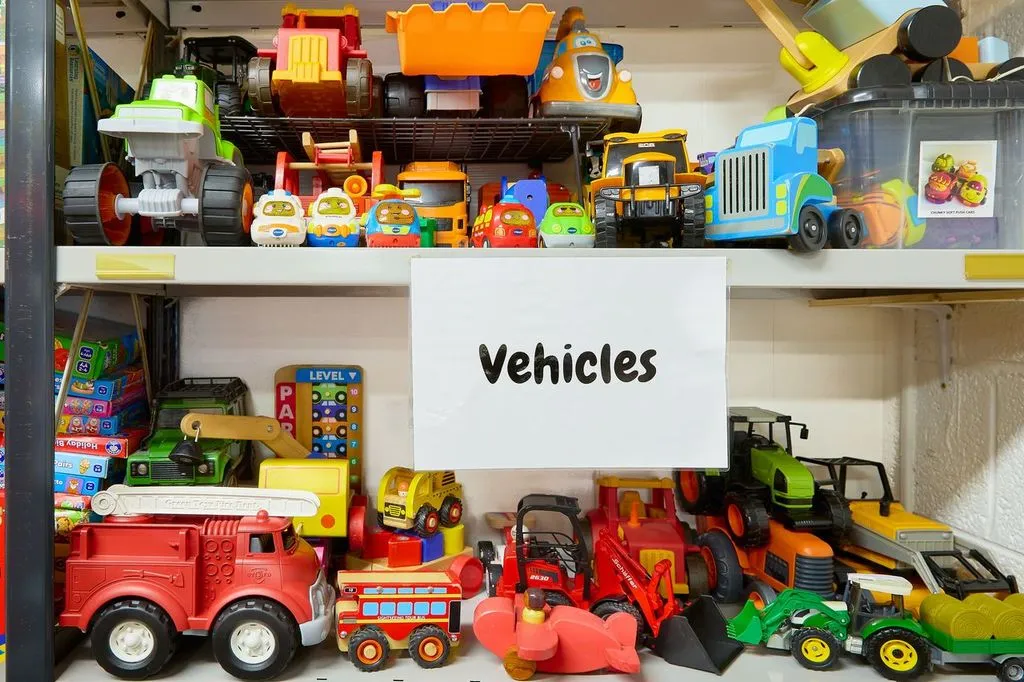
The Toy Library operates as a multi-functional circular hub, extending far beyond a traditional lending service. It manages a collection of over 1,000 toys, baby equipment such as strollers and blackout blinds, and party rental items, enabling families to access essential resources without the need for ownership. Its circular outreach includes a schools’ pilot programme, funded by Kingspan, that has introduced more than 480 primary school children across Monaghan, Cavan, and Louth to circular economy principles through hands-on workshops, supporting early behavioural change. The initiative also oversees a 1,400-member Freecycle community that facilitates the sharing and redistribution of children’s items, and it runs “Cubs Conscious,” a curated pre-loved clothing initiative designed to extend the lifecycle of children’s textiles. In addition, the library delivers social and community services such as weekly “Stay & Play” sessions, sensory play for children with additional needs, and monthly family litter picks, reinforcing its role as both a social and environmental asset.
Best Practices: A Blueprint for Others
Carrickmacross Toy Library provides a number of transferable best practices that can inform similar initiatives across Ireland and beyond. It has developed a system for carbon monitoring, calculating the environmental savings associated with each item loaned and making the benefits of reuse tangible and measurable. The initiative has also produced a “How to Start a Toy Library” guide, often referred to as a national playbook, which has already been requested by 63 community groups and individuals to date, demonstrating strong replication potential. Furthermore, its low-cost membership model, with fees starting at less than €3 per month, highlights how circular economy solutions can be made both accessible and inclusive. Together, these elements position the Toy Library as an innovative and scalable model for community-led circular services.
Challenges & Lessons Learned
Despite its success, the initiative faces several structural challenges that reflect broader policy gaps. The sustainability of staffing remains a key issue, as the current model relies heavily on short-term community employment schemes and volunteers, limiting long-term operational stability. Space constraints are also a significant barrier, with the initiative having outgrown its current premises and requiring dedicated, long-term facilities with sufficient storage capacity. In addition, there is a lack of consistent government support, particularly in terms of core operational funding, despite the initiative’s proven environmental and social impact. These challenges highlight the need for stronger policy integration and support mechanisms for community-led circular economy initiatives.
Future Plans & Required Support
Under its Strategic Plan for 2026–2028, Carrickmacross Toy Library aims to expand its reach and strengthen its operational capacity. Plans include piloting a second location and a toy delivery service in North Monaghan, potentially in collaboration with public libraries and Family Resource Centres, thereby enhancing accessibility and regional coverage. The initiative also seeks to professionalise its operations by securing funding through programmes such as the Community Services Programme, enabling a transition from part-time to full-time management. In addition, it aims to establish itself as a national research leader by conducting Ireland-specific studies on toy usage behaviours, contributing valuable insights to the circular economy and sustainable consumption agenda.
Major Achievements to Date
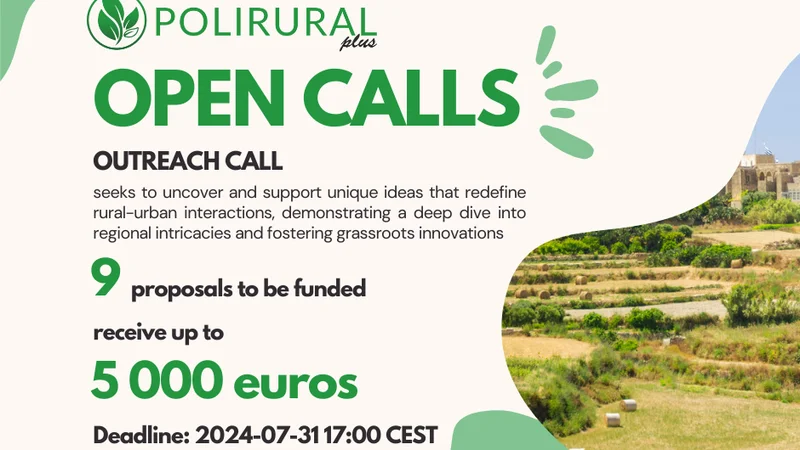
The Toy Library has already delivered significant environmental, social, and economic impact. In 2025 alone, it facilitated 1,936 loans, diverting an estimated one tonne of plastic waste from landfill and contributing to local waste reduction targets. It has gained national recognition, being featured as a case study by Circular.ie and the Rediscovery Centre, and has received €5,000 in funding for marketing and expansion. In terms of social value, international benchmarks suggest that the initiative generates approximately €4.22 in social value for every €1 invested, highlighting its efficiency and broader societal benefits.
Alignment with Regional Action Plan: Advancing Circular Economy of Co. Monaghan
Carrickmacross Toy Library represents a strong, practical example of the PoliRuralPlus Regional Action Plan in action. It functions as a circular economy hub at the local level, complementing wider regional ambitions by acting as a specialised satellite centre for reuse and sustainable consumption in South Monaghan. The initiative embodies the multi-actor approach promoted by PoliRuralPlus, bringing together local authorities, schools, businesses, and community members in a collaborative framework. It also contributes to the broader bioeconomy transition by fostering awareness of resource efficiency and sustainable behaviours among younger generations. Through its regional reach and knowledge-sharing activities, it strengthens rural–urban linkages and supports integrated territorial development.
Conclusion
Carrickmacross Toy Library is more than a community initiative; it is a critical piece of circular infrastructure that demonstrates how environmental sustainability and social inclusion can be addressed simultaneously. By reducing waste, lowering the cost of living for families, and strengthening community connections, it contributes directly to improving rural attractiveness and quality of life. The initiative illustrates how community-led solutions can operationalise Regional Action Plans on the ground. With greater policy recognition, integration into waste prevention strategies, and access to stable funding, it has the potential to serve as a national demonstration model for circular economy innovation and community resilience in Ireland.
Contact and further information
Jill Kennon, jill@cmxtoylibrary.ie
Website: www.cmxtoylibrary.ie
Instagram: Instagram.com/CMXToyLibrary
Facebook: Facebook.com/CMXToyLibrary

Existing Comments