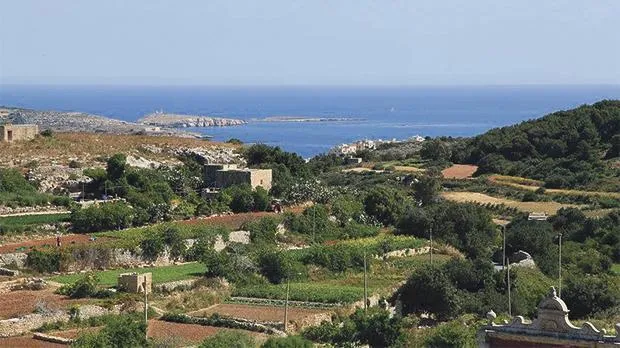
Malta’s rural areas face growing pressure from land fragmentation, urbanisation, climate vulnerability, and limited opportunities for younger generations. At the same time, they hold strong potential for innovation, entrepreneurship, and more connected local food systems. MALTESE has been launched to help turn that potential into practical action.
MALTESE, short for Malta Agro-Leadership & Tech Entrepreneurship for Sustainable Empowerment, is a new cascade project linked to the PoliRuralPlus Malta pilot. Its aim is to digitally empower rural communities in Malta by combining practical skills development, accessible digital tools, and stronger rural-urban connections.
The project brings together three partners with complementary roles. PAMEA (Austria) is coordinating the initiative, SEMABLU (Malta) is leading the technical development, and SELFHOOD (Hungary) is leading capacity building and training. Together, the consortium will work to support rural youth, entrepreneurs, farmers, and local stakeholders through a place-based approach tailored to Malta’s island context.
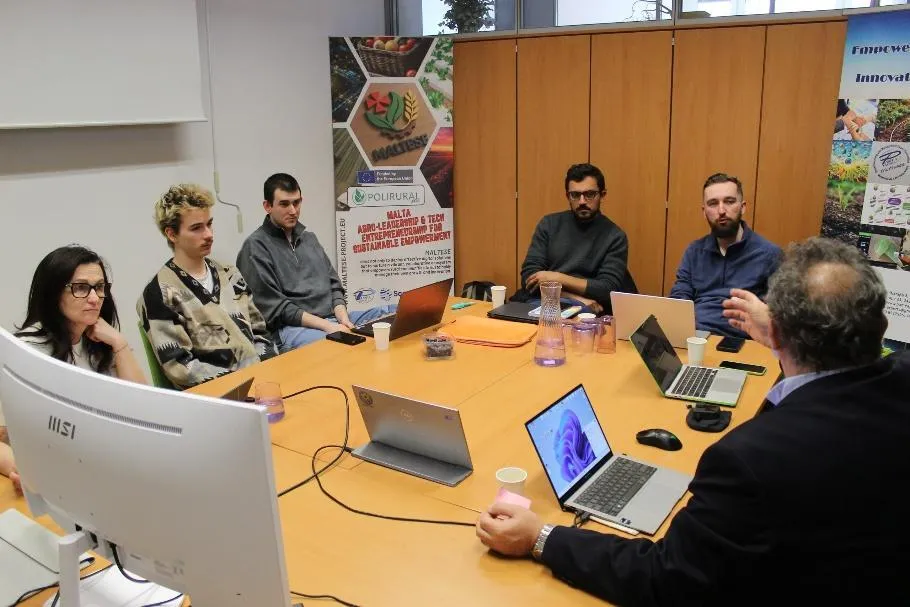
MALTESE also benefits from the valuable collaboration of AcrossLimits, the designated PoliRuralPlus partner for Malta, whose support strongly helps strengthen alignment with regional priorities and the wider PoliRuralPlus framework.
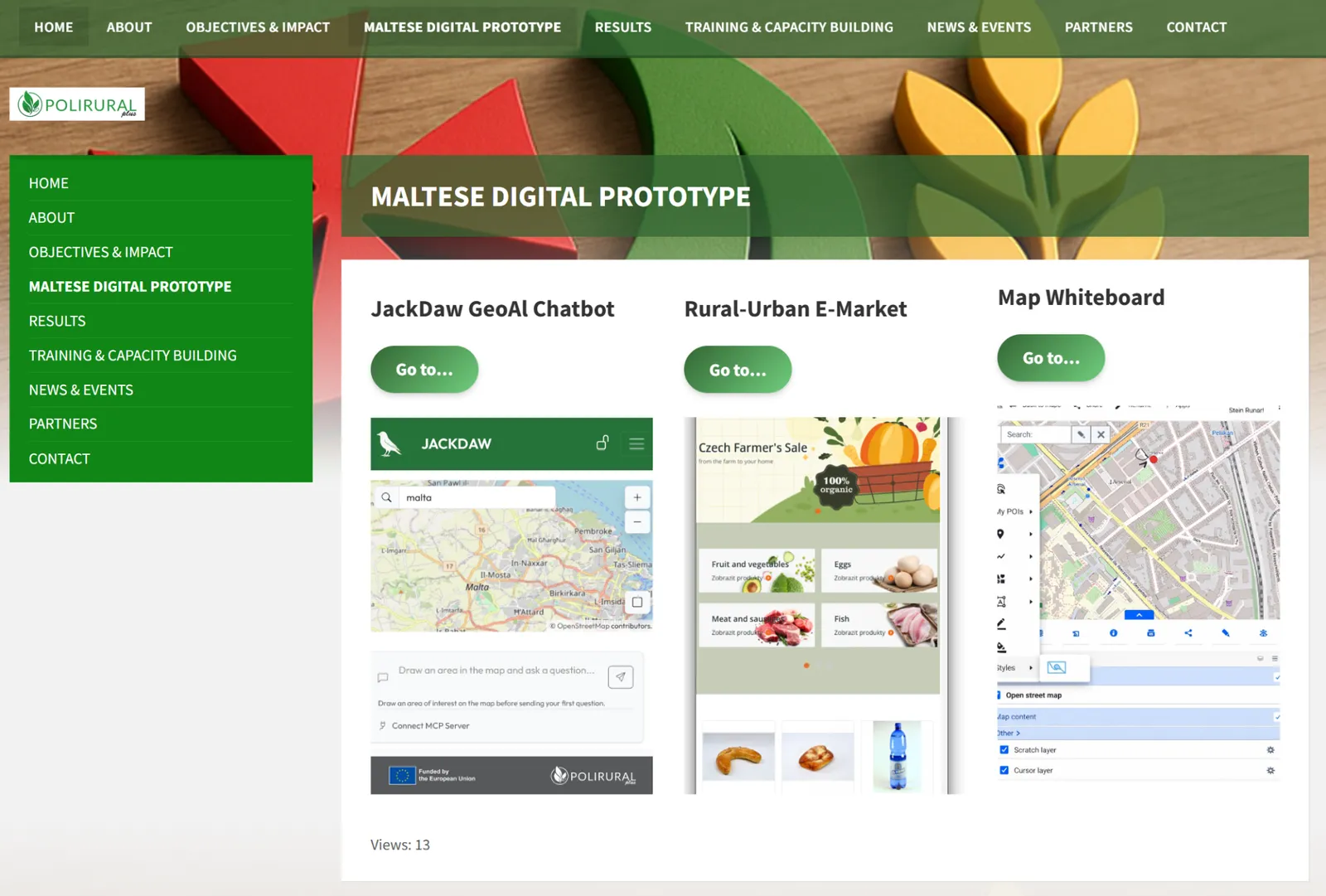
At the heart of MALTESE is the rollout and localisation of the MALTESE Digital Prototype, consisting of three practical digital tools that build on the wider PoliRuralPlus innovation framework.
The first is the JackDaw GeoAI chatbot, which will provide bilingual decision support and help users access practical guidance in a more user-friendly way. The second is the Map Whiteboard, a collaborative space for planning, mapping, and stakeholder engagement. The third is the Rural-Urban E-Market platform, which will support a rural-urban digital marketplace for local products and services.
These tools are not being introduced as technology for its own sake. The goal is to make digital solutions more accessible and useful for rural users in Malta, especially where digital uptake remains limited. MALTESE will combine the deployment of these tools with training, mentoring, and stakeholder engagement so that the project delivers practical value on the ground.
The project also has clear ambitions in terms of results. It aims to equip at least 20 rural youth and 10 rural entrepreneurs with practical digital and circular economy skills, while supporting the onboarding of at least 10 farmers to the digital marketplace and facilitating direct rural-urban transactions. In this way, MALTESE is designed not only as a pilot, but as a concrete contribution to rural resilience, local economic opportunity, and smarter community-based development.
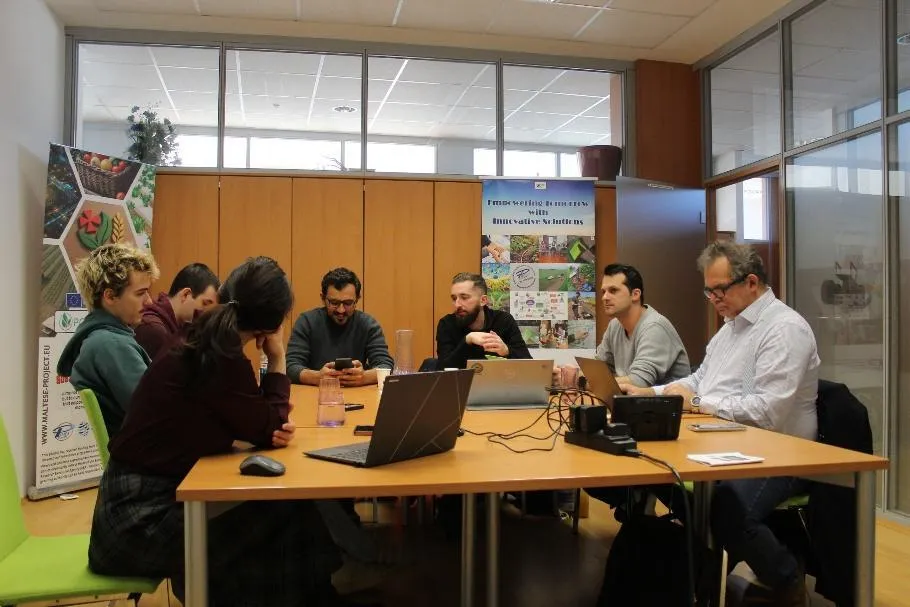
The official kick-off meeting of MALTESE took place in Vienna in early 2026, where the consortium aligned on governance, technical development, training, communication, stakeholder engagement, and reporting. This meeting marked the formal start of implementation and helped set the basis for close coordination across all work strands.
Another early milestone was PAMEA’s participation in the PoliRuralPlus JackDaw Code Camp 2026 in Prague. The event brought together developers, geospatial experts, and AI practitioners working on the JackDaw platform and its future applications. This link between the core PoliRuralPlus innovation work and the MALTESE rollout in Malta is important, because it helps ensure that the solutions introduced through the project are grounded in a wider European framework while remaining relevant to local needs.
MALTESE is more than a project launch. It is a practical example of how regional action planning can lead to targeted follow-up initiatives with real local relevance. In Malta, this means supporting digital inclusion, strengthening rural-urban links, building entrepreneurial capacity, and testing tools that can help rural communities respond to current social, economic, and environmental challenges.
Over the coming weeks , the project will move from technical setup and stakeholder engagement into training activities, prototype development, demonstrations, and local testing. Through this process, MALTESE aims to contribute to a more connected, skilled, and resilient rural Malta, while also generating lessons that may be relevant for other small-island and rural regions across Europe.
Follow the project on the MALTESE website for upcoming updates and results:
https://maltese-project.eu/, and / or social media: Facebook & LinkedIn.
Kick-off meeting highlights:
https://maltese-project.eu/fair-point-day-1-only-heres-a-tight-news-blurb-for-today-monday-26-january-2026/
https://maltese-project.eu/maltese-kick-off-meeting-day-2-in-vienna/
Funding acknowledgement
The project PoliRuralPlus has received funding from the European Union’s Horizon Europe research and innovation programme under grant agreement No 101136910.
Disclaimer
Views and opinions expressed are, however, those of the author(s) only and do not necessarily reflect those of the European Union or the European Research Executive Agency (REA). Neither the European Union nor the granting authority can be held responsible for them.


Existing Comments