Recognising the contribution of rural women
The International Day of Rural Women, celebrated annually on 15 October, provided an opportunity in Slovakia to recognise the essential contribution of women to rural communities, agriculture, local economies and social cohesion.
This year's celebrations had particular significance as 2026 has been proclaimed by the United Nations the International Year of the Woman Farmer, highlighting the vital role of women in agrifood systems and the importance of strengthening their opportunities, recognition and participation in decision-making.
In Slovakia, two complementary events brought together women, representatives of rural organisations, local communities and development stakeholders.
On 15 October, a celebration dedicated to rural women took place in Barlanghyi Park in Trávnica village. It was jointly organised by Živena – the Association of Slovak Women, the Slovak University of Agriculture in Nitra and the Slovak Rural Parliament.
The event also marked an important milestone for Živena: its local branch in Trávnica is the first branch of the oldest women's organisation established directly in a rural village, bringing the women's movement closer to the everyday realities, needs and potential of rural communities.
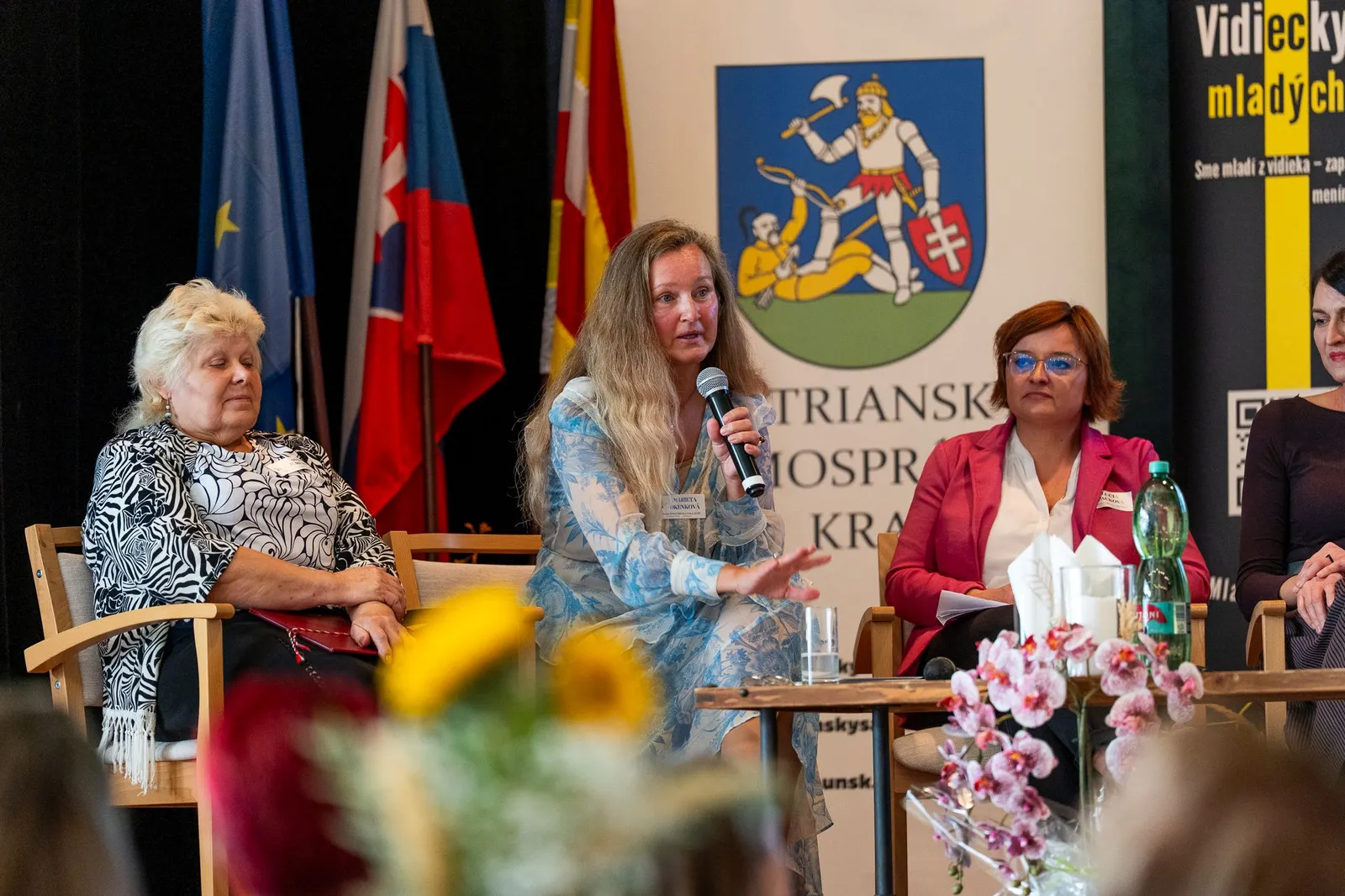
A central part of the programme was a presentation and discussion on the Vision for More Attractive Rural Areas 2040, with particular attention to the position of women, their voice in decision-making and their opportunities to actively influence the future of their municipalities and regions.
The discussion emphasised that women are an important source of knowledge, creativity, innovation and community resilience. Their experience and initiatives should be recognised not only in everyday community life but also in the processes through which local and regional development priorities are defined.
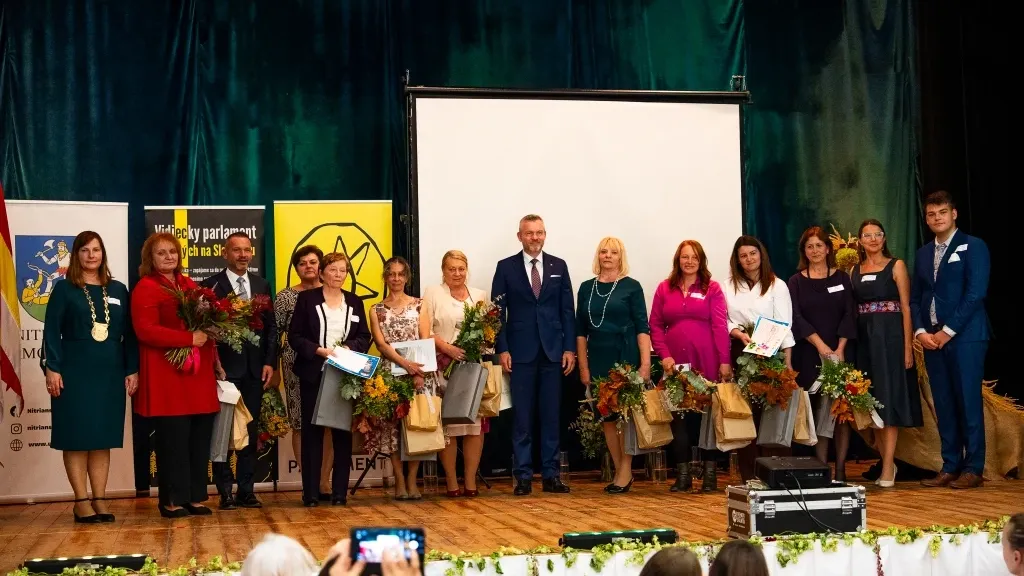
On 16 October, the conference "Women for Every Occasion" took place in Rišňovce village, combined with the announcement of the winners of the 2026 Rural Woman – Leader of the Year competition. The ceremony was attended by the President of the Slovak Republic, whose personal presence highlighted the national significance of recognising rural women's contributions to society, agriculture and community development.
The event celebrated the 25th anniversary of the Leader initiative. It was held under the patronage of the President of the Slovak Republic and under the auspices of the Minister of Agriculture and Rural Development of the Slovak Republic.
Since 2002, the Slovak Rural Parliament has organised this annual gathering around the International Day of Rural Women, providing visibility and recognition to women whose work, commitment and initiative make a meaningful difference in their communities.
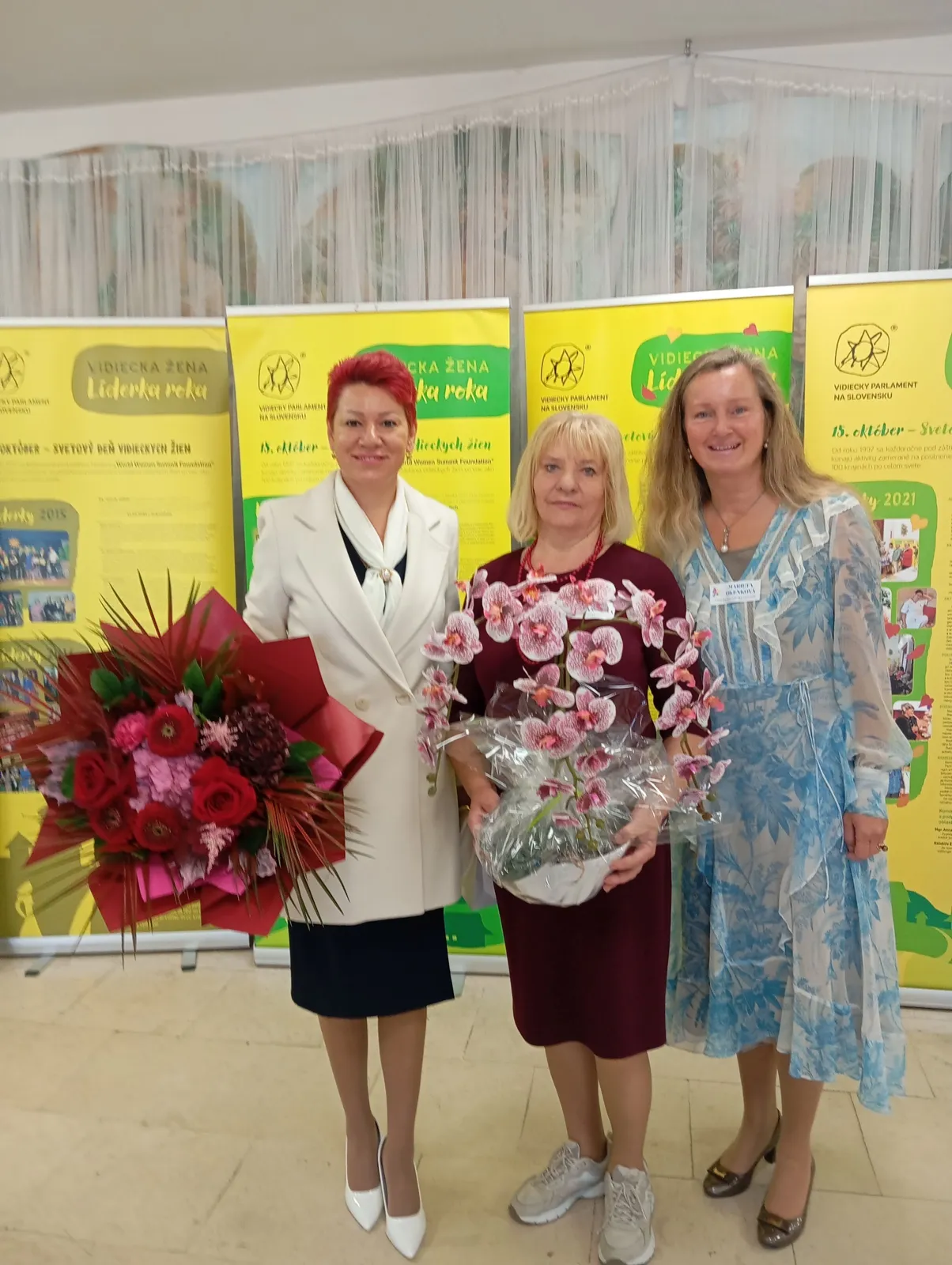
An important development in 2026 was the introduction of a new competition category: Woman Farmer. This reflects the United Nations' designation of 2026 as the International Year of the Woman Farmer and recognises the contribution of women who work on farms, support food production and strengthen agricultural communities.
From inspiration to action: Strengthening women's potential
Beyond celebrating individual achievements, the Rišňovce conference focused on how women's potential can be translated into collective action and stronger rural communities.
An important part of the programme was dedicated to mapping women's skills, interests, capacities and aspirations, as well as identifying their ideas and needs for the future of their municipalities. Networking activities created opportunities to connect women, exchange experiences and establish new partnerships.
Several important themes emerged from the discussions:
Intergenerational cooperation and learning. Older and younger women have complementary strengths and knowledge. While older generations bring valuable life experience, local traditions and community knowledge, younger women contribute new perspectives, digital skills and innovative approaches to communication. Mutual learning should work in both directions.
From shared vision to concrete action. Rural development needs to start with understanding the real potential, resources and needs of local communities. Having a vision is not enough: it must be translated into achievable objectives, practical strategies and partnerships. Rural residents should be active co-creators of the development of their own municipalities and regions.
Solidarity and community resilience. Mutual support, neighbourly relationships, knowledge sharing and cooperation are essential foundations of resilient communities. Women's leadership is not only about initiating change but also about connecting people and enabling them to achieve more together.
Women's participation in decision-making. Women's experience, knowledge and initiatives need to be reflected in local development strategies and public policies. Recognising their contribution should go hand in hand with creating genuine opportunities for them to influence decisions affecting their communities.
The celebrations in Trávnica and Rišňovce sent a clear message: women should not only be recognised for what they contribute to rural communities today. They should also have the opportunity, resources and influence to shape what these communities will become tomorrow.
The future of rural areas is built together and rural women must be among those shaping it.



Existující komentáře