
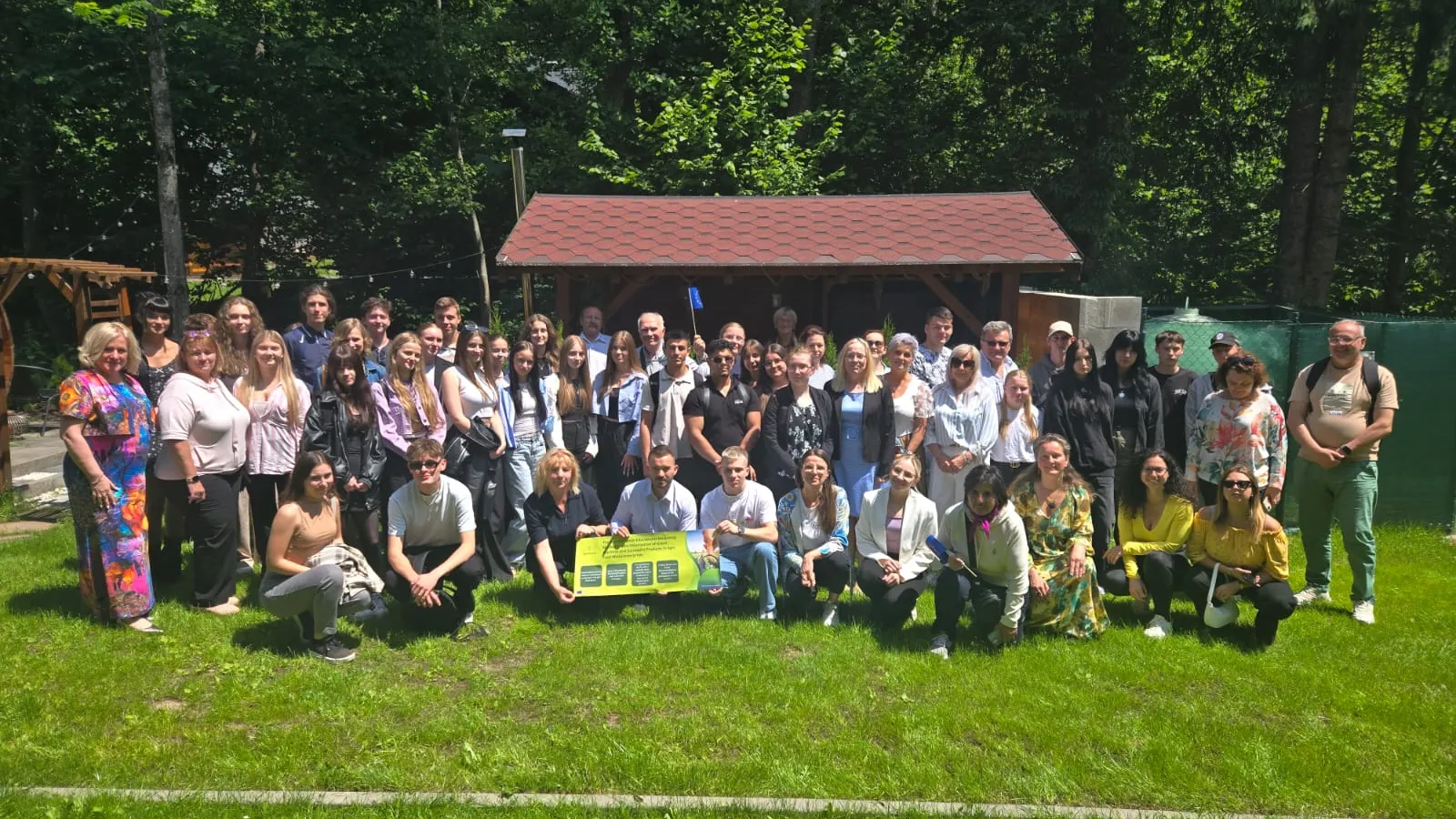
PoliRuralPlus is delighted to announce that the Slovak University of Agriculture in Nitra (SUA) has received significant acknowledgement from the European Commission: its Vision for More Attractive Rural Areas 2040 has been selected as one of only nine good practices highlighted on the Rural Pact Community Platform.
As confirmed by the Rural Pact Support Office, the Slovak good practice is now officially published in the Good Practices Database and is being promoted in the December edition of the Rural Pact Newsletter.
🔗 Good Practices Database | Rural Pact Community Platform
🔗 A Vision for More Attractive Rural Areas in Slovakia | Rural Pact Community Platform
This distinction recognises Slovakia’s leadership in developing innovative, participatory and forward-looking approaches to rural governance and strategic planning.
A National Vision Shaped by 2,500+ Stakeholders
The Vision for More Attractive Rural Areas was developed under the EU-funded PoliRural and PoliRuralPlus projects to address long-standing governance fragmentation and limited cross-sectoral coordination in Slovakia’s rural development landscape.
Since 2019, SUA - together with the Slovak Rural Parliament and a wide range of partners - has led a mission-oriented foresight process involving more than 2,500 participants from national, regional and local levels.
This unprecedented mobilisation of public authorities, experts, municipalities, NGOs and community stakeholders resulted in the first comprehensive long-term strategy for rural Slovakia—one that reflects real needs, builds political consensus and sets a clear strategic direction for the future.
Key Achievements Highlighted by the Rural Pact Newsletter
The European Commission showcases several groundbreaking results achieved through the Vision process:
- A nationally endorsed Vision 2040, co-created with extensive stakeholder engagement and supported across political and territorial boundaries.
- Elevation of rural development to a cross-party national priority.
- Stronger coordination between ministries, municipalities and civil society through regular national conferences aligned with the EU Rural Pact.
- Establishment of a Monitoring Committee to guide implementation, support policy dialogue and track progress.
- A proposed governance model featuring an Inter-Ministerial Rural Development Council, a Joint Rural Development Fund and community-led mechanisms.
- Enhanced use of digital tools, foresight methods and rural observatories to support evidence-based policy decisions.
- Improved capacity-building of rural actors for strategic planning and co-creation of resilient and future-ready solutions.
Why the Vision Matters
Rural Slovakia continues to face acute challenges such as depopulation, underdeveloped infrastructure and fragmented policymaking across ministries.
The Vision 2040 offers a systemic, integrated and participatory response—strengthening governance, improving funding alignment and ensuring that rural communities have a meaningful voice in shaping policies that affect their daily lives.
Supported by digital innovation, AI tools and rural observatories, the Vision brings long-term stability, transparency and strategic clarity to rural development efforts.
From Foresight to Policy Impact
The multi-year process behind the Vision includes:
- 2019–2021: Participatory foresight and 15 co-design stages under PoliRural, engaging over 1,000 stakeholders and directly addressing governance fragmentation.
- 2021: Presentation of the “Draft Zero” in the National Parliament during Rural Day - marking a breakthrough in elevating rural issues in national policymaking.
- 2022–2023: National consultation rounds led by the Slovak Rural Parliament with ministries, regional and local authorities and civil society.
- 2024–2026 (PoliRuralPlus): Development of new governance proposals, pilots of digital and participatory tools, and mechanisms for rural proofing and data-driven policymaking.
Lessons for Europe
As emphasised in the Newsletter, Slovakia’s experience provides valuable insights for countries facing similar challenges:
- Broad stakeholder mobilisation creates ownership and continuity across political cycles.
- Combining foresight, digital tools and policy design builds a strong bridge between research and governance reform.
- Sustained dialogue and transparency help overcome institutional fragmentation.
- Alignment with the EU Long-Term Vision for Rural Areas enhances coherence and long-term sustainability.
The Slovak case illustrates that rural transformation requires systemic collaboration, multi-level engagement and a shared long-term vision supported by data and participatory processes.
Promoters
- Slovak University of Agriculture in Nitra (academic/research institution)
- Slovak Rural Parliament (civil society organisation)
- Slovak Rural Youth Parliament (civil society organisation)
- New Edu, n.o. (civil society organisation)
Congratulations to SUA and All Partners
PoliRuralPlus warmly congratulates SUA and all collaborators on this well-deserved achievement. Being selected by the European Commission as one of nine good practices featured this period is an inspiring recognition of the transformative potential of inclusive governance and forward-looking rural policy design.
Read the full good practice entry on the Rural Pact Platform:
https://ruralpact.rural-vision.europa.eu/good-practice/vision-more-attractive-rural-areas-slovakia_en



Existing Comments