The future of rural Europe requires more than funding. It calls for integrated policies, long-term strategic visions and meaningful involvement of rural communities.
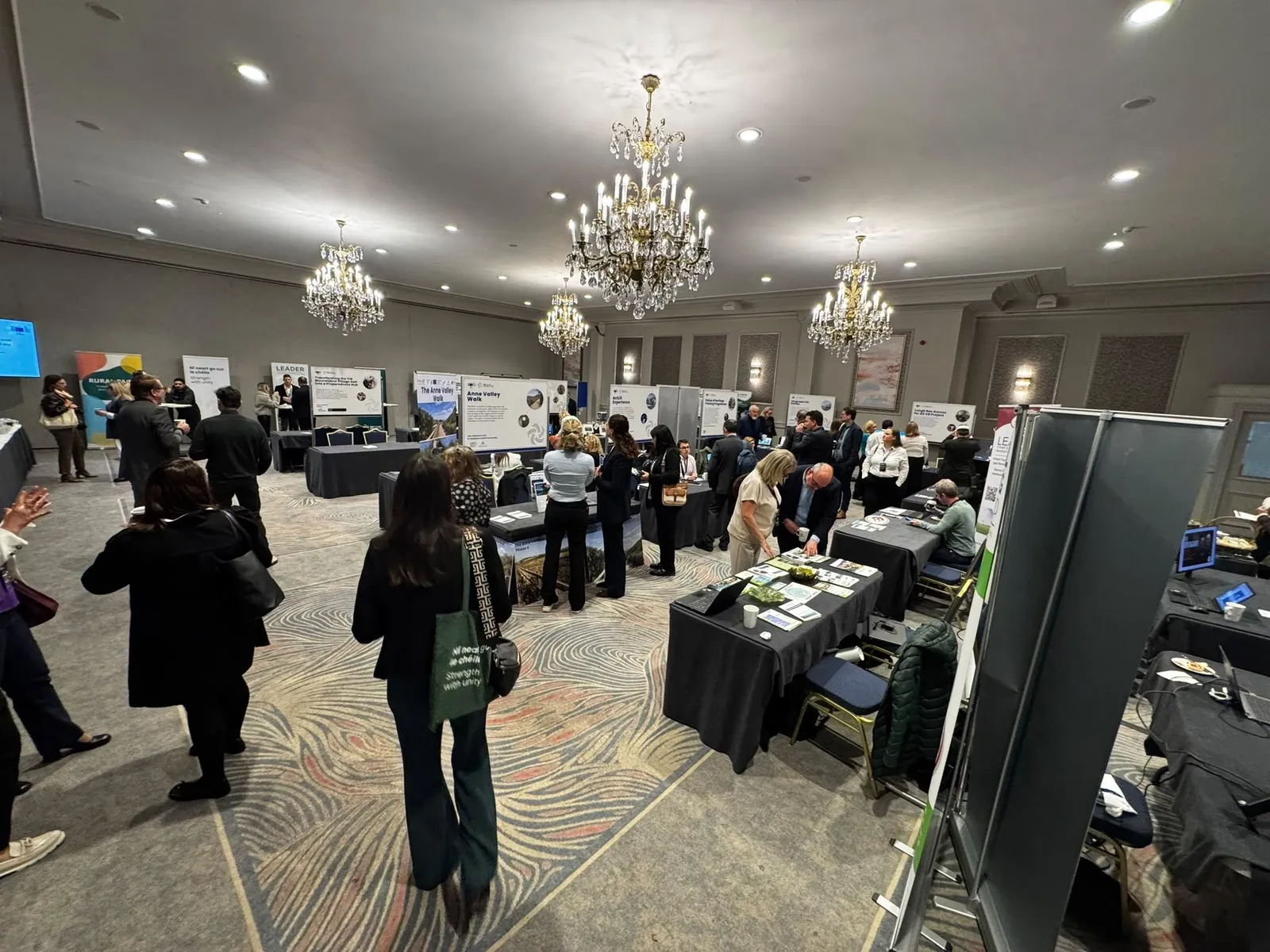
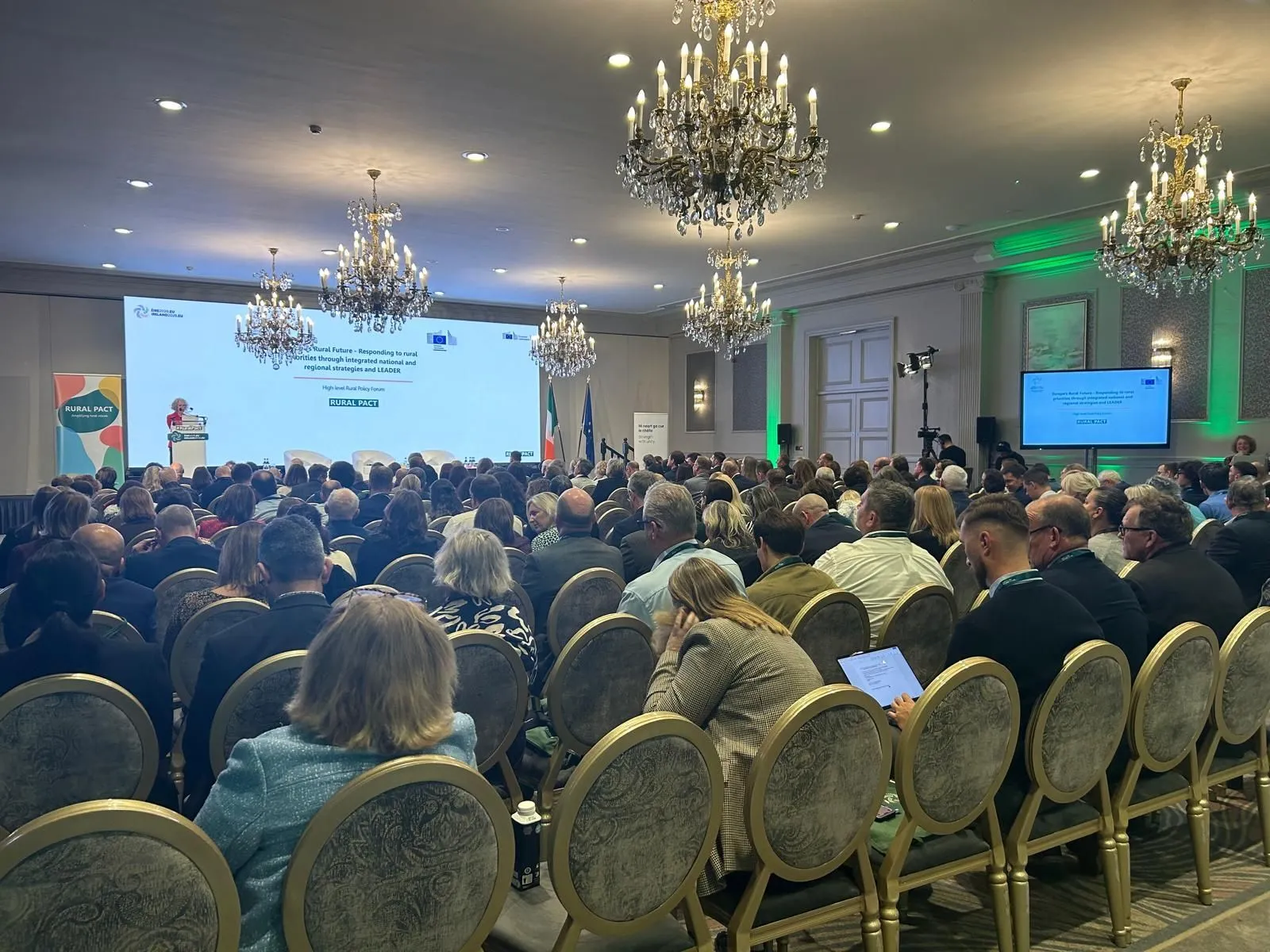
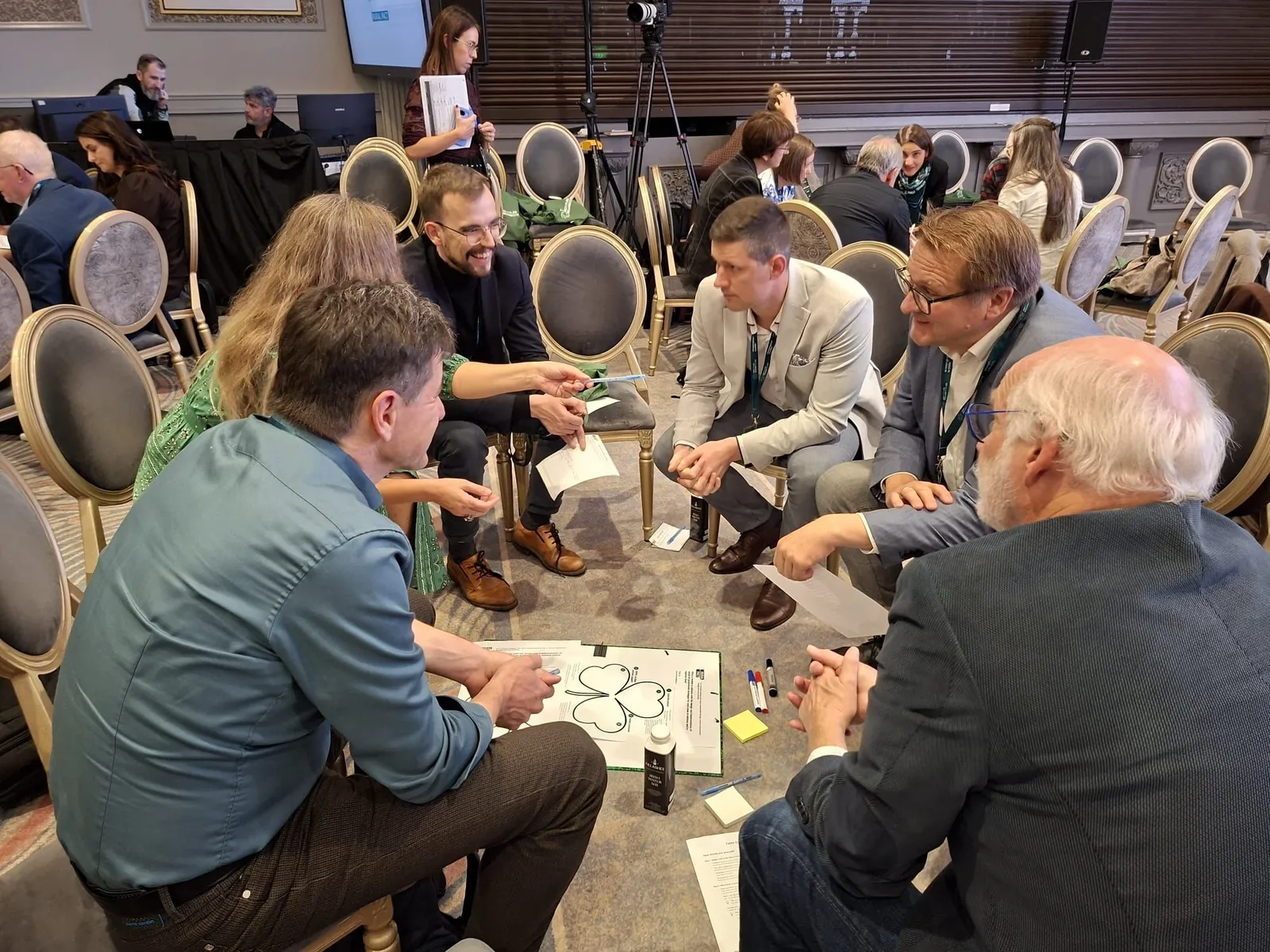
On 3–4 November 2026, around 220 representatives of European institutions, national governments, local authorities, civil society and rural development organisations gathered in Naas, Ireland, for the high-level forum “Europe’s Rural Future – Responding to Rural Priorities through Integrated National and Regional Strategies and LEADER”.
Organised by the Irish Presidency of the Council of the EU, together with the European Commission and the Rural Pact Support Office, the event explored how the EU Long-Term Vision for Rural Areas can be translated into concrete policies and investments at national, regional and local levels.
A key message emerging from the discussions was the need to move beyond fragmented, sector-based approaches and recognise rural development as a shared responsibility across all policy areas. Rural Proofing, stronger urban-rural connections and improved coordination between government institutions were highlighted as essential tools for ensuring that public policies reflect the specific needs and potential of rural territories.
Integrated rural strategies and future EU funding
The discussions addressed the forthcoming EU funding framework for 2028–2034, particularly the proposed National and Regional Partnership Plans (NRPPs). The European Commission highlighted the importance of identifying a clear rural objective and ensuring that investments across different policy areas deliver tangible benefits for rural communities.
The forum also underlined the importance of maintaining and strengthening LEADER and Community-Led Local Development (CLLD). With more than 35 years of experience, LEADER remains a valuable instrument for translating local knowledge and community priorities into practical solutions, while building trust, partnerships and social capital.
Ireland presented its new Our Rural Future 2026–2031 strategy as an example of a whole-of-government approach, bringing together more than 230 measures under five strategic pillars: vibrant rural places, accessible public services, a strong rural economy, resilient communities and a sustainable environment.
The OECD and the Flemish experience further highlighted the importance of evidence-based policymaking, territorial knowledge, institutional capacity and long-term strategic planning.
Turning the rural vision into action
The Naas forum reinforced a central message of the European Rural Pact: successful rural development requires a shared long-term vision, political commitment, coordinated investment and genuine partnerships.
As the EU prepares its next programming period, the challenge for Member States is to translate these principles into coherent national and regional strategies that respond to the real needs and aspirations of rural communities.
The PoliRuralPlus project contributes to this ambition by supporting participatory approaches, strategic foresight and stronger cooperation between rural stakeholders, helping to connect European rural policy priorities with concrete action at national and local levels.
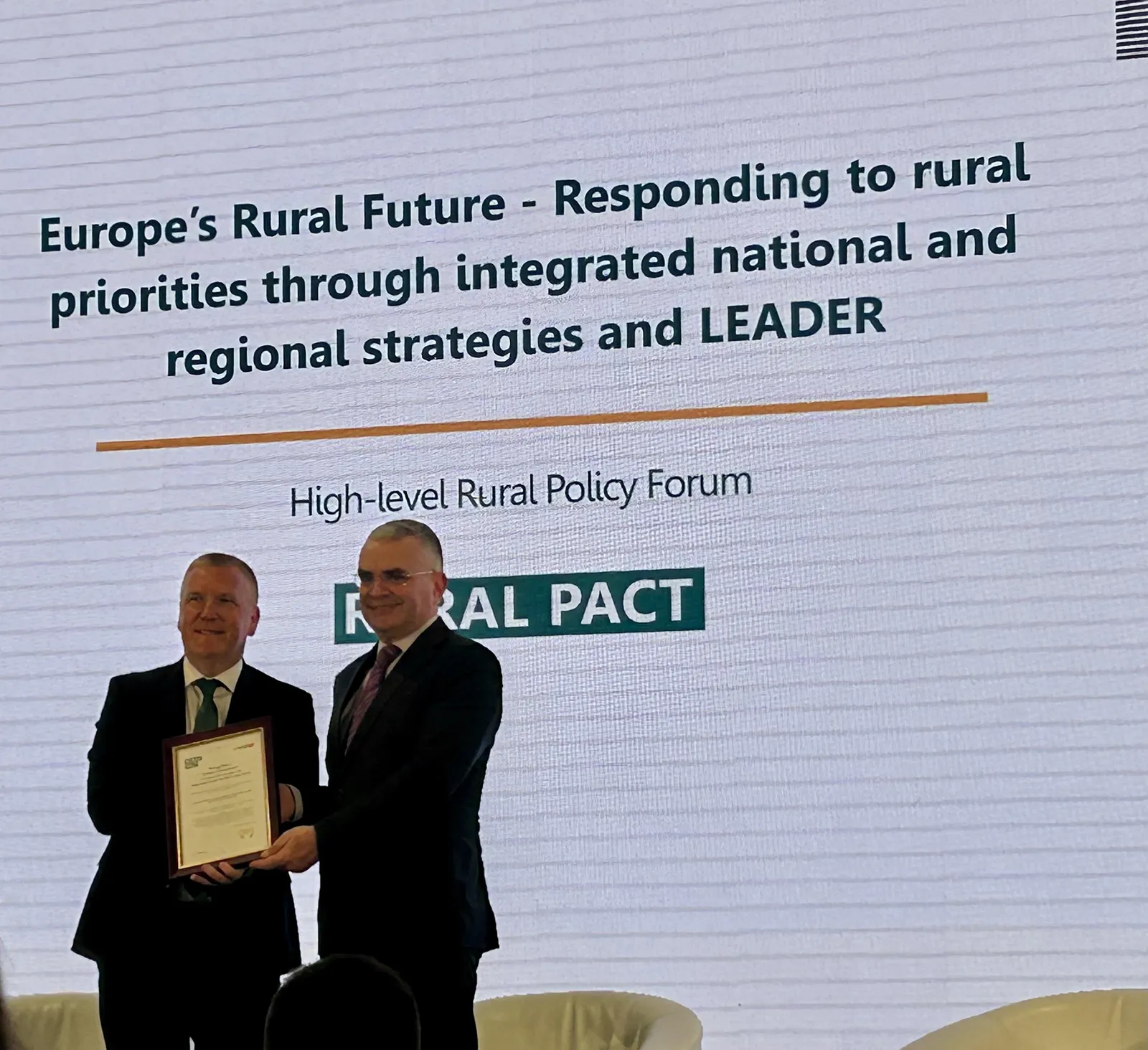
Commissioner with Minister


Existing Comments