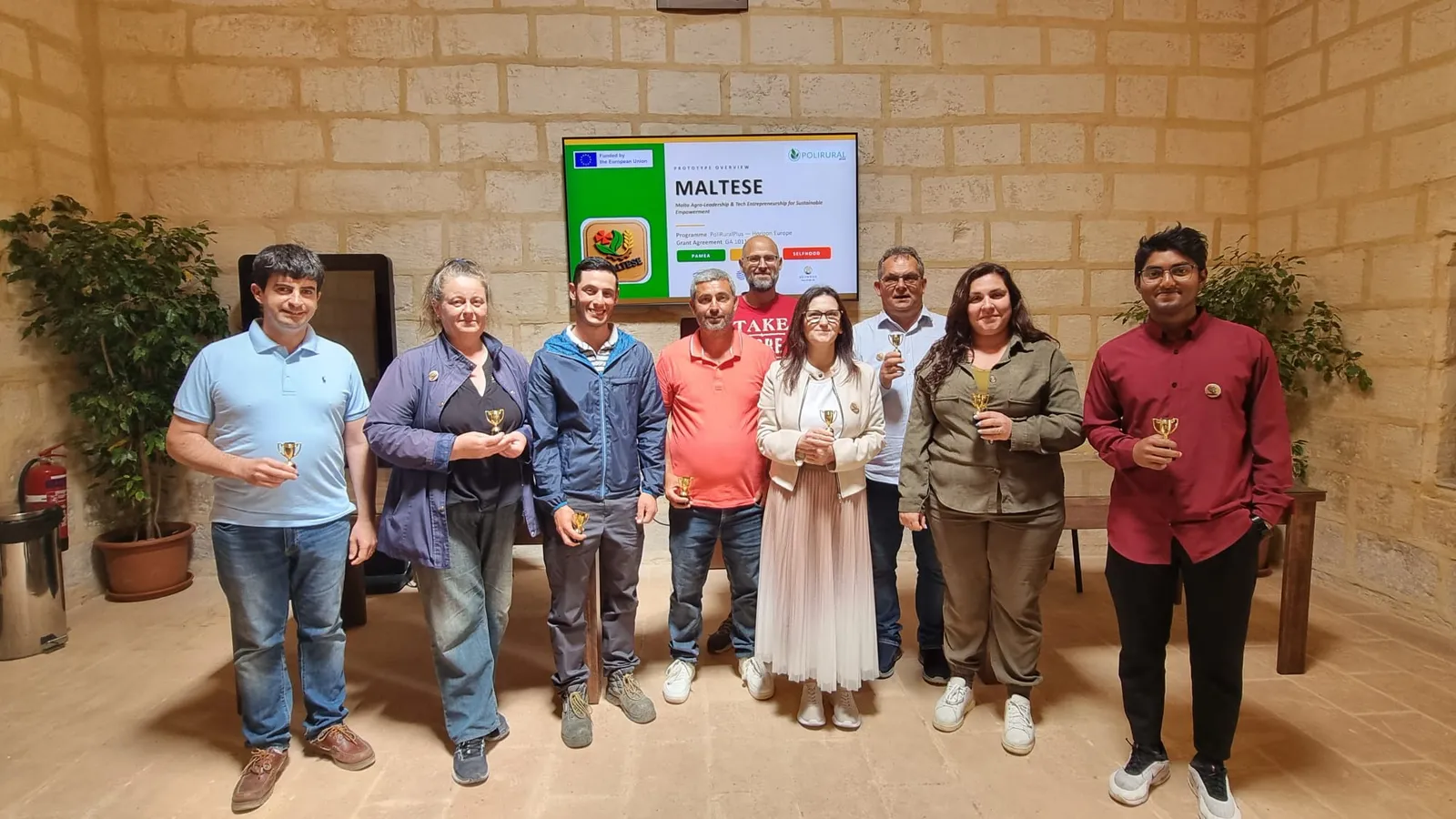
A four-day training programme under PoliRuralPlus brought together young people, farmers, entrepreneurs, educators, and local stakeholders in Malta to test digital tools, explore circular agri-business ideas, and develop practical concepts for rural innovation.
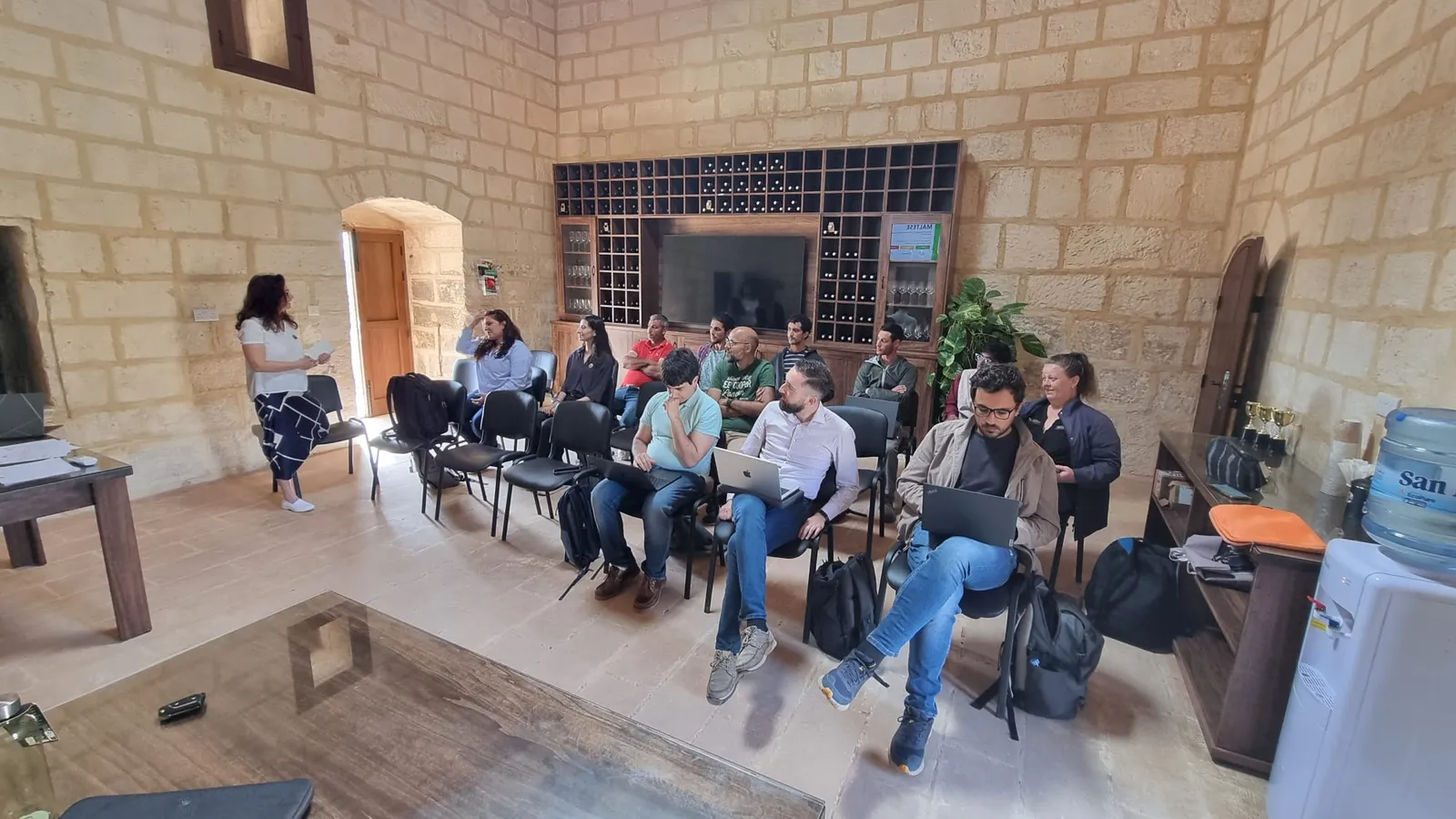
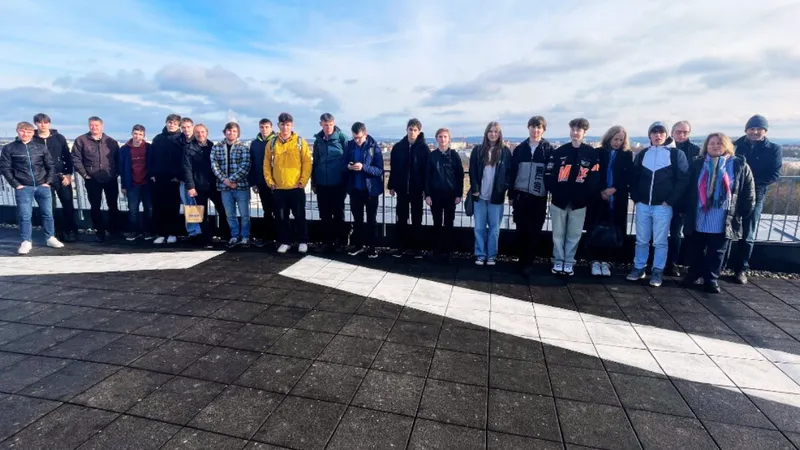
From 5 to 8 May 2026, the MALTESE project organised its training programme in Malta at the National Viticulture & Oenology Centre in Dingli. The activity marked an important step in the project’s implementation, moving from prototype preparation to hands-on learning, local testing, and direct engagement with participants.
The training was designed to support rural youth, entrepreneurs, farmers, educators, and local stakeholders in understanding how digital tools can be applied to real agricultural and rural development needs. Across four days, participants explored the MALTESE digital ecosystem, worked on local challenges, developed business concepts, and prepared final presentations.
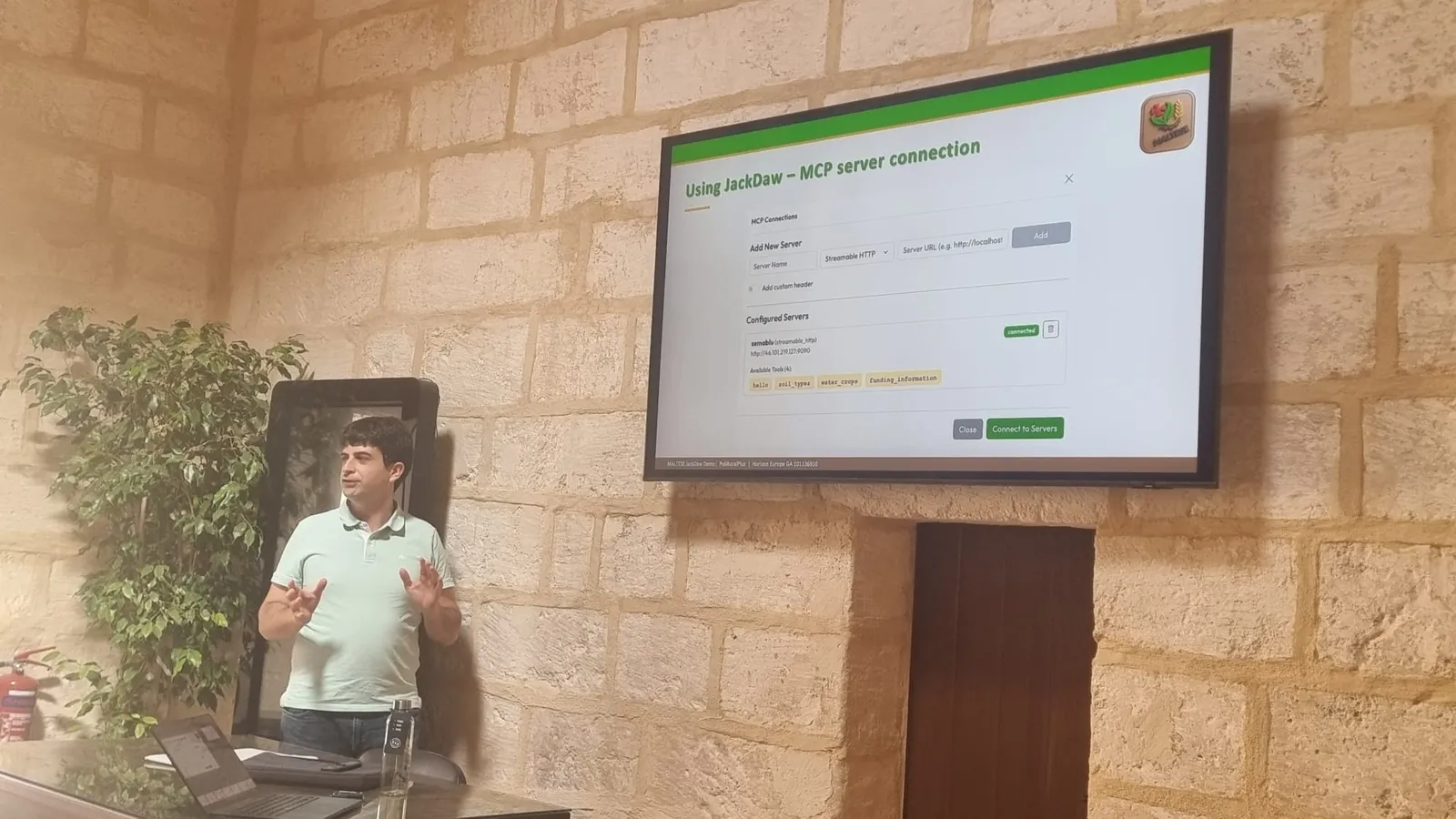
The programme was organized by PAMEA, SEMABLU, and SELFHOOD, with the valuable collaboration of AcrossLimits, the PoliRuralPlus partner for Malta. This cooperation helped connect MALTESE activities with the wider PoliRuralPlus Malta pilot and with local priorities for digital and green transformation in agriculture.
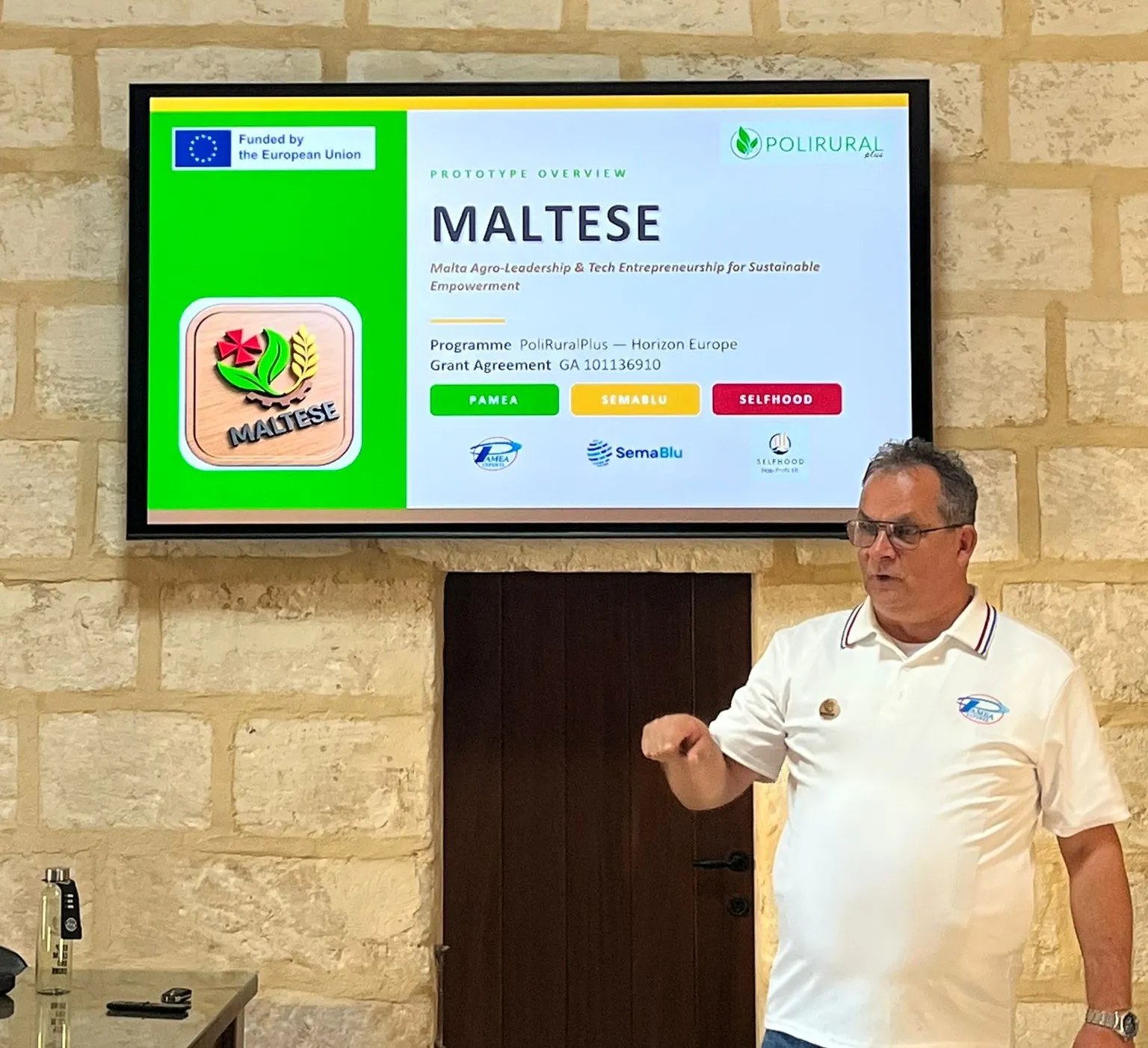
The first day focused on introducing the MALTESE Digital Prototype and its three core tools: JackDaw GeoAI Chatbot, Map Whiteboard, and the Rural-Urban E-Market platform. Participants explored how AI, IoT, cloud, and GIS-based approaches can support rural decision-making, crop guidance, producer profiles, product listings, mapping, and market access.
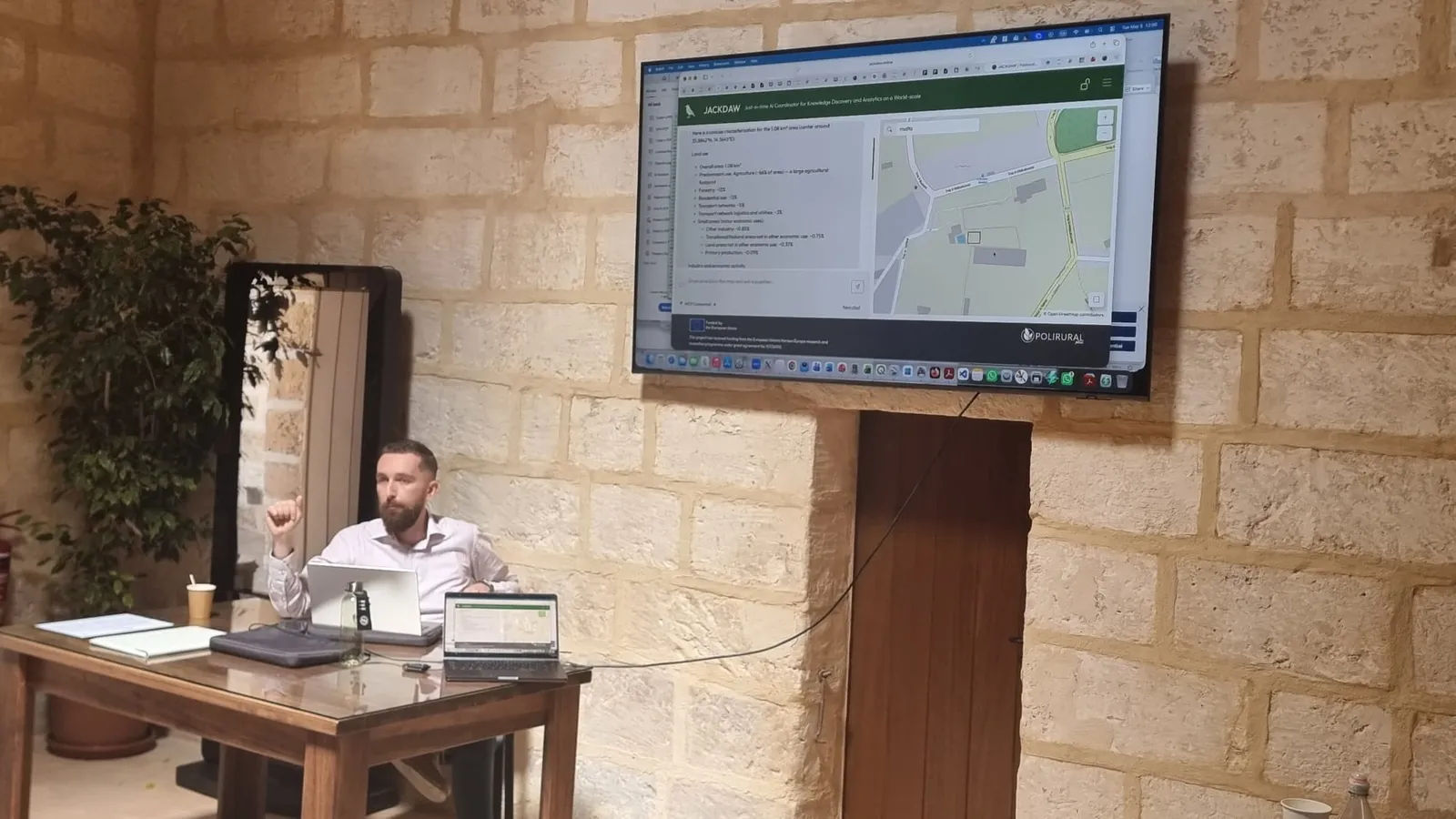
JackDaw was presented as a practical advisory tool for crop guidance, funding questions, and location-based support. Map Whiteboard was introduced as a collaborative space for mapping, annotations, and visual planning. The E-Market platform gave participants a first look at producer profiles, product listing logic, and the potential for stronger rural-urban market connections.
The second day focused on community planning with digital tools. Participants worked on local rural challenges, mapped opportunities and bottlenecks, and identified relevant stakeholders, assets, and needs. The Circle of Coherence workshop helped link ideas to place-based priorities, while team mapping and peer review created space for feedback and improvement.
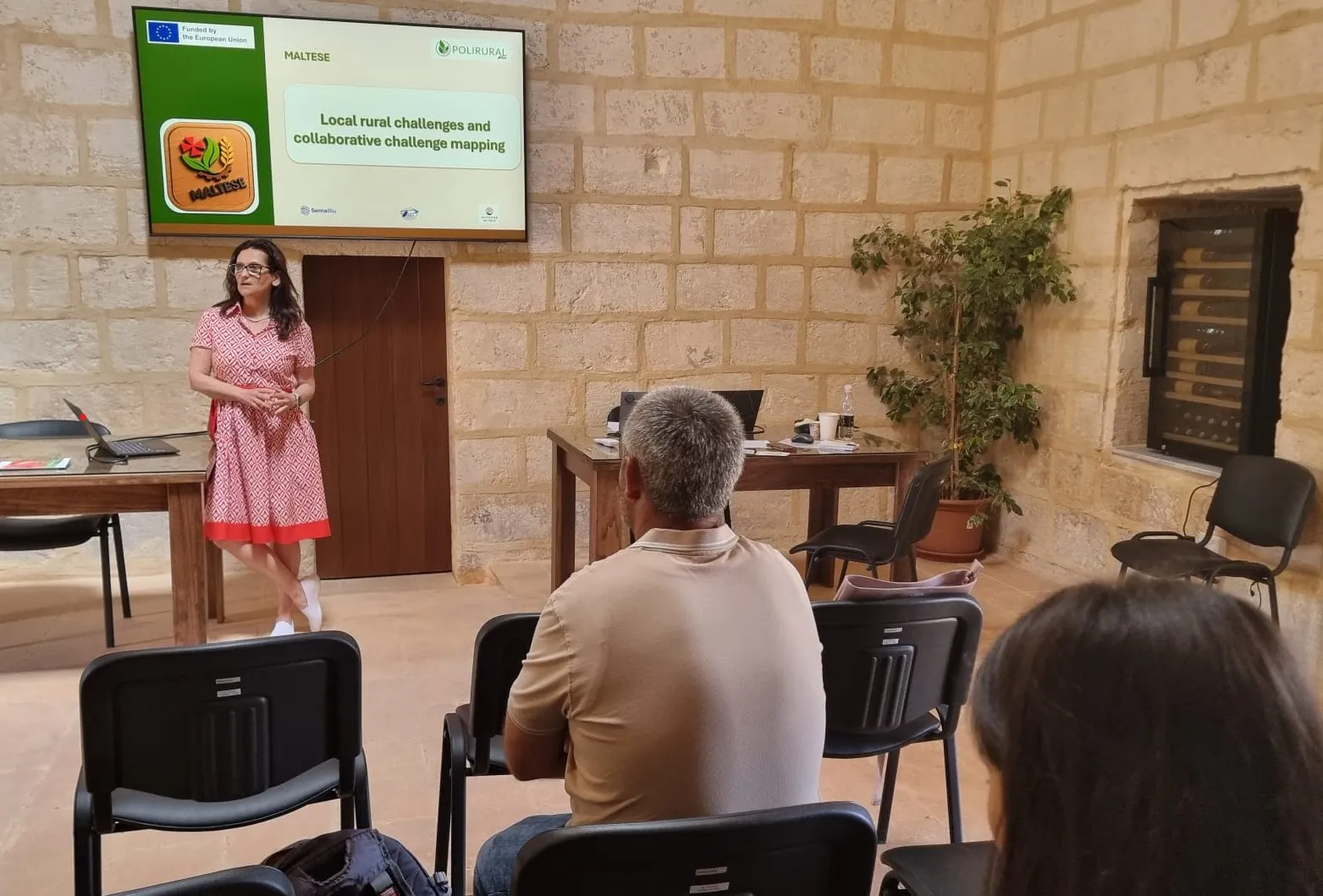
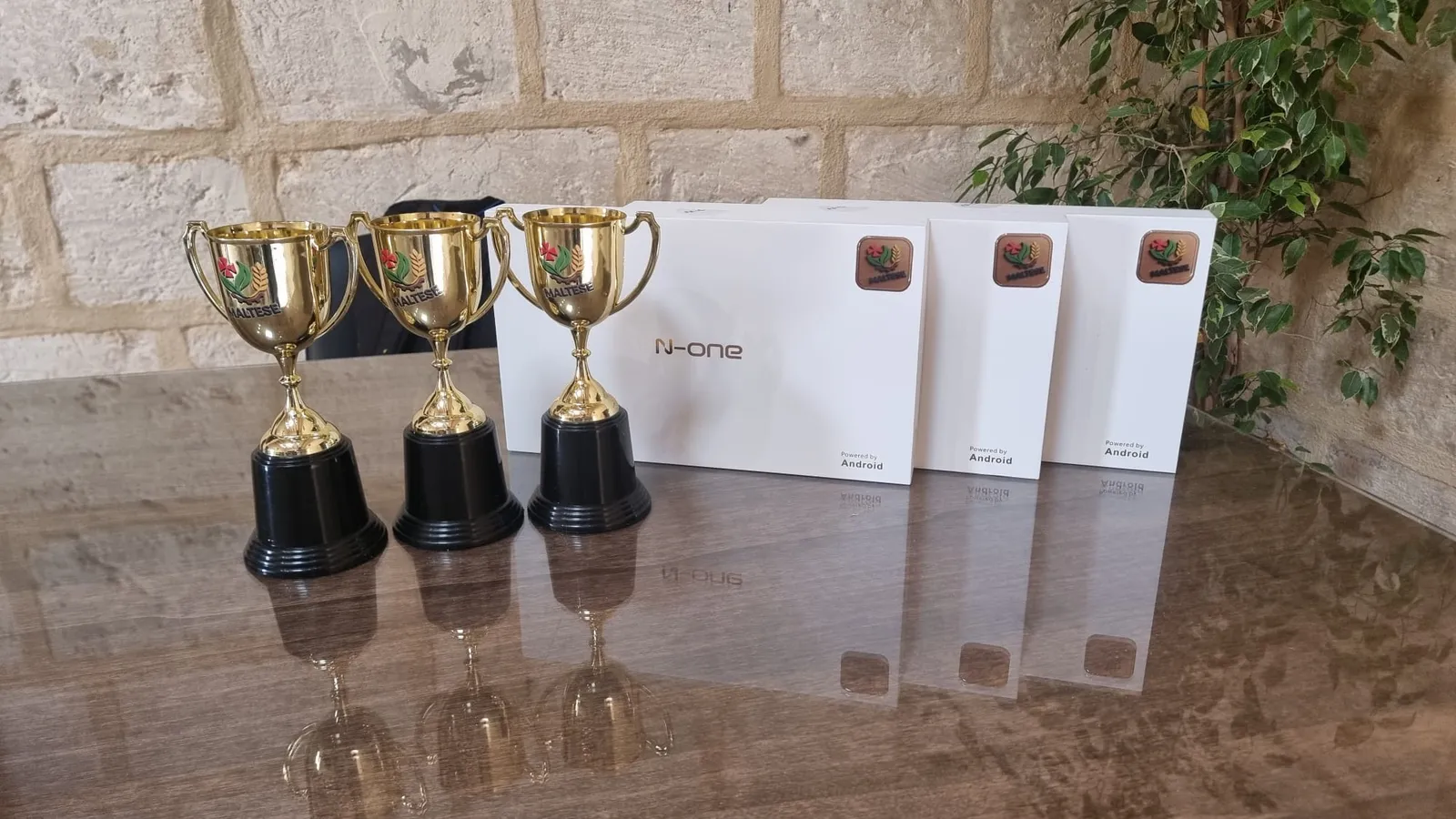
The final day was dedicated to coaching, business model refinement, and pitch preparation. Teams worked with mentors to improve their ideas, connect them with the MALTESE prototype tools, and prepare short presentations. The programme concluded with final rehearsals, participant recognition, certificates, and an official closing ceremony.
One of the strongest outcomes of the training was the move from general discussion to concrete ideas. Participants worked on practical concepts linked to agricultural digitalisation, local production, rural entrepreneurship, and sustainability. The final presentations showed how digital tools can help transform local challenges into clearer services, products, and community-based solutions.
The training also confirmed an important lesson for the project: digital transformation in rural areas works best when it is practical, guided, and connected to real needs. Farmers, young people, and entrepreneurs need tools they can understand, test, adapt, and use in their own context.
For MALTESE, the Malta training created a valuable bridge between the project’s digital ecosystem and the people it is meant to support. Feedback from participants will help guide the next steps of prototype refinement, mentoring, dissemination, and final demonstration activities.
The success of the training was made possible by the active presence and engagement of the participants. Their questions, ideas, feedback, and collaboration turned the programme from a planned activity into a real working space for rural innovation in Malta.
Over the coming period, MALTESE will continue building on these results by supporting further testing of the digital tools, preparing final outputs, and sharing lessons that can be useful for other rural and small-island regions in Europe.
Related updates
MALTESE Training in Malta Announced for 5-8 May 2026:
https://maltese-project.eu/maltese-training-in-malta-announced-for-5-8-may-2026/
MALTESE Training Successfully Started in Malta:
https://maltese-project.eu/maltese-training-successfully-started-in-malta/
MALTESE Training Successfully Concludes in Malta:
https://maltese-project.eu/maltese-training-successfully-concludes-in-malta/
PoliRuralPlus LinkedIn post:
https://www.linkedin.com/posts/poliruralplus-ugcPost-7460990749757616128-g0Wz/
MALTESE website:
Funding acknowledgement
The project PoliRuralPlus has received funding from the European Union’s Horizon Europe research and innovation programme under grant agreement No 101136910.
Disclaimer
Views and opinions expressed are, however, those of the author(s) only and do not necessarily reflect those of the European Union or the European Research Executive Agency (REA). Neither the European Union nor the granting authority can be held responsible for them.
Existující komentáře